


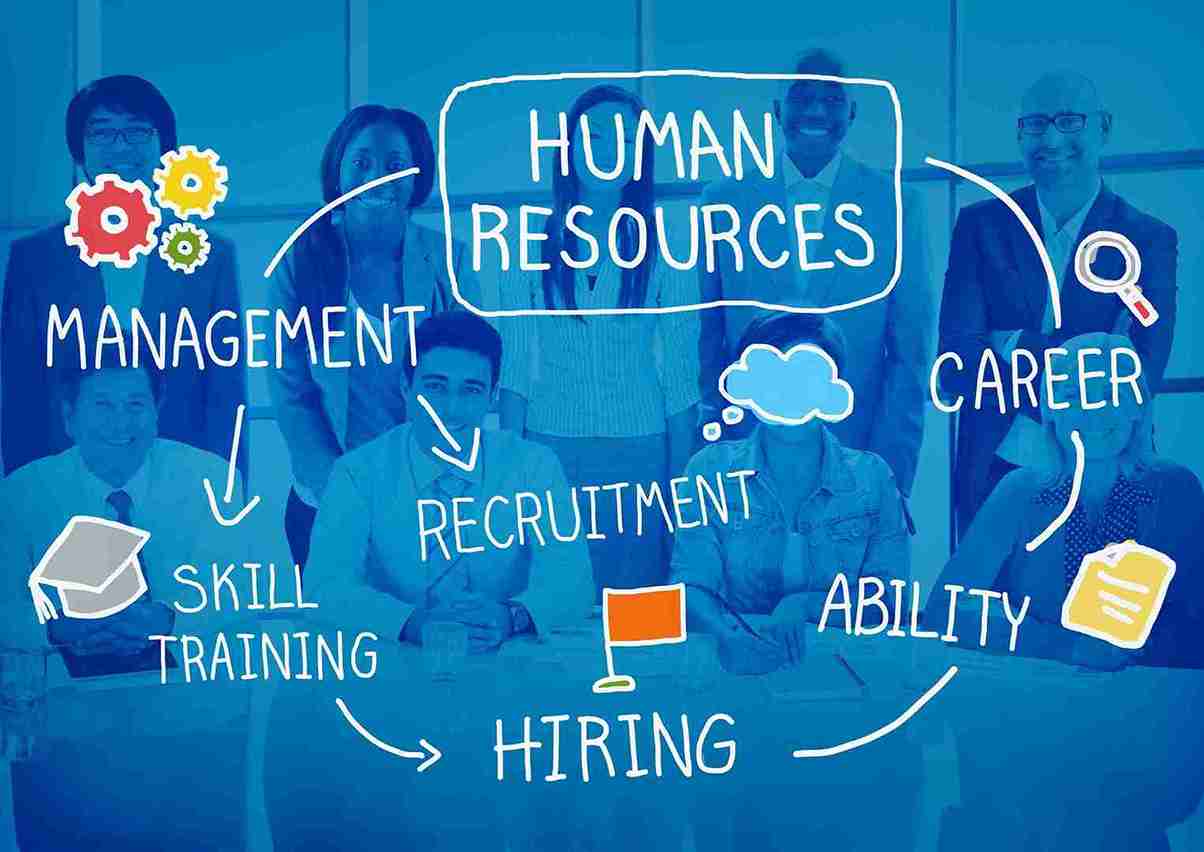
An HR manager plays a central role in shaping how an organization hires, trains and supports its employees. From building strong teams to creating workplace policies, HR manager roles cover a wide range of responsibilities that keep daily operations running smoothly.
This blog explains who an HR manager is, the key HR responsibilities they handle, the skills needed for HR management and how their work influences the overall employee experience. It also covers common HR duties and the qualities that help HR managers succeed in a modern workplace.
Who Is An HR Manager?
An HR manager is a professional who oversees the people related functions of an organization. The HR manager plays an important role in hiring talent, supporting employees, building workplace policies and ensuring that every process follows company standards. Their work touches every stage of the employee experience, from recruitment and on boarding to training, performance management and employee relations. An HR manager is also responsible for guiding teams, resolving concerns and helping employees grow in their careers. With a blend of communication, planning and problem solving, HR managers keep the organization running smoothly while supporting its long term goals.
Roles Of An HR Manager
1. Recruitment And Talent Acquisition: One of the most important HR manager roles is finding the right talent for the organization. This includes creating job descriptions, screening resumes, conducting interviews and helping managers make hiring decisions.
2. Employee On-boarding: HR managers ensure that new employees feel supported from day one. They coordinate orientation sessions, introduce company policies and help new hires understand their roles.
3. Training And Development: An HR manager identifies skill gaps and arranges training programs to help employees improve. This HR responsibility ensures continued learning and professional growth within the organization.
4. Performance Management: HR managers support teams in setting goals, reviewing performance and providing feedback. They help build fair evaluation systems that motivate employees and encourage better results.
5. Employee Relations: A key HR manager role is maintaining healthy communication between employees and management. HR managers handle concerns, resolve conflicts and create a positive work environment.
6. Policy Development: HR managers help create workplace policies related to attendance, behavior, safety and compliance. These HR duties ensure that every process runs smoothly and fairly.
7. Salary And Compensation Support: HR managers help review salaries, coordinate increments, manage payroll information and ensure that compensation follows industry standards.
8. Compliance And Legal Support: HR responsibilities also include making sure the organization follows labor laws. HR managers maintain proper documentation and guide teams on legal requirements.
9. Employee Engagement: HR managers work on activities and programs that improve employee engagement. This includes celebrations, team building sessions, surveys and feedback programs that promote a happier workplace.
10. Workplace Culture Management: HR managers play a major part in shaping the organization’s culture. They promote teamwork, encourage fairness and support a positive work atmosphere.
Essential Skills For An HR Manager
1. Strong Communication Skills: HR managers need clear communication skills to interact with employees, conduct interviews and share important information in a simple and respectful way.
2. Problem Solving Ability: HR manager skills include the ability to identify issues, analyses situations and find practical solutions that support both employees and the organization.
3. Leadership Skills: An HR manager guides teams, supports managers and sets the tone for workplace behavior. Strong leadership helps them handle responsibilities confidently.
4. Empathy And People Skills: HR management requires the ability to understand employee concerns, listen actively and respond with care. Good people skills help build trust.
5. Organizational Skills: Managing recruitment, documentation, on-boarding and training requires excellent organizational skills to keep everything running smoothly.
6. Knowledge Of HR Laws And Policies: HR managers must understand labor laws, workplace policies and compliance requirements. This knowledge helps them protect both employees and the organization.
7. Decision Making Ability: HR manager skills also include making timely and fair decisions related to hiring, performance issues, employee support and workplace behavior.
8. Conflict Resolution Skills: Employees often approach HR with concerns or challenges. The ability to resolve conflicts calmly and professionally is an important HR skill.
9. Technology Skills: Modern HR functions rely on HR software for recruitment, payroll and employee records. HR managers need basic technology skills to manage these tools effectively.
10. Time Management: Handling multiple HR duties requires strong time management skills to prioritize tasks and meet deadlines.
Common Challenges HR Managers Face
1. Finding The Right Talent: One of the biggest HR challenges is hiring candidates who match the job requirements and fit well with the company culture.
2. Managing High Workload: HR managers handle multiple tasks such as hiring, on-boarding, payroll support and employee concerns, which can create a heavy workload.
3. Handling Employee Conflicts: Resolving employee disagreements fairly and maintaining workplace harmony is a common HR manager challenge.
4. Retaining Skilled Employees: Keeping talented employees engaged and satisfied is one of the ongoing HR issues that requires strong planning and communication.
5. Keeping Up With Labor Laws: HR managers must stay updated with changing labor laws and ensure that the organization follows every requirement correctly.
How To Become An HR Manager?
A career in HR management typically starts with a relevant educational background, followed by a strong understanding of core HR functions such as recruitment, on-boarding, employee relations, training, performance management and policy development. Gaining practical experience through entry-level HR roles helps build confidence and real-world exposure, while learning labor laws, compliance requirements and HR tools strengthens professional capability. Along with this, strong communication and people skills are essential for managing employees and workplace situations effectively.
For a detailed explanation of the HR career path, required skills and growth opportunities, refer to our complete guide: How To Become An HR? Here’s What You Need To Know.
Conclusion
An HR manager plays a vital role in shaping how an organization functions by supporting employees, strengthening teams and ensuring that workplace practices remain fair, compliant and people-focused. From hiring and training to performance management, employee engagement and policy development, HR manager responsibilities influence every stage of the employee journey.
As workplaces evolve, HR managers continue to play a major role in improving communication, encouraging learning and supporting both employees and organizations. Understanding HR manager roles and the skills needed for HR management helps individuals make better career decisions and prepares them for long term success in the HR field.
FAQs
1. Who is an HR manager?
An HR manager is a professional who oversees hiring, employee support, training, workplace policies and overall HR operations.
2. What are the main responsibilities of an HR manager?
Key responsibilities include recruitment, on-boarding, employee relations, performance management, policy creation and compliance support.
3. What qualifications are needed to become an HR manager?
Most HR managers have a bachelor’s degree in human resources, business administration, psychology or a related field.
4. Do HR managers need certifications?
Certifications such as SHRM or HRCI are not mandatory but help improve credibility and career growth.
5. What skills are important for HR managers?
Important skills include communication, problem solving, leadership, organization and knowledge of HR laws.
6. What is the role of HR in employee engagement?
HR managers organize activities, gather feedback and create programs that help employees stay motivated and connected.
7. Can HR managers work in any industry?
Yes, HR manager roles exist in almost every industry including IT, finance, retail, healthcare, manufacturing and education.
8. How much experience is required for an HR manager role?
Many HR managers have three to seven years of experience in HR roles before moving into management positions.
9. What is the biggest challenge HR managers face?
Balancing employee expectations and organisational needs is one of the most common HR challenges.
10. Is HR management a good career?
Yes, HR management offers stable growth, diverse opportunities and a meaningful role in supporting employees and organizations.



 Facebook
 Instagram
 Twitter




