


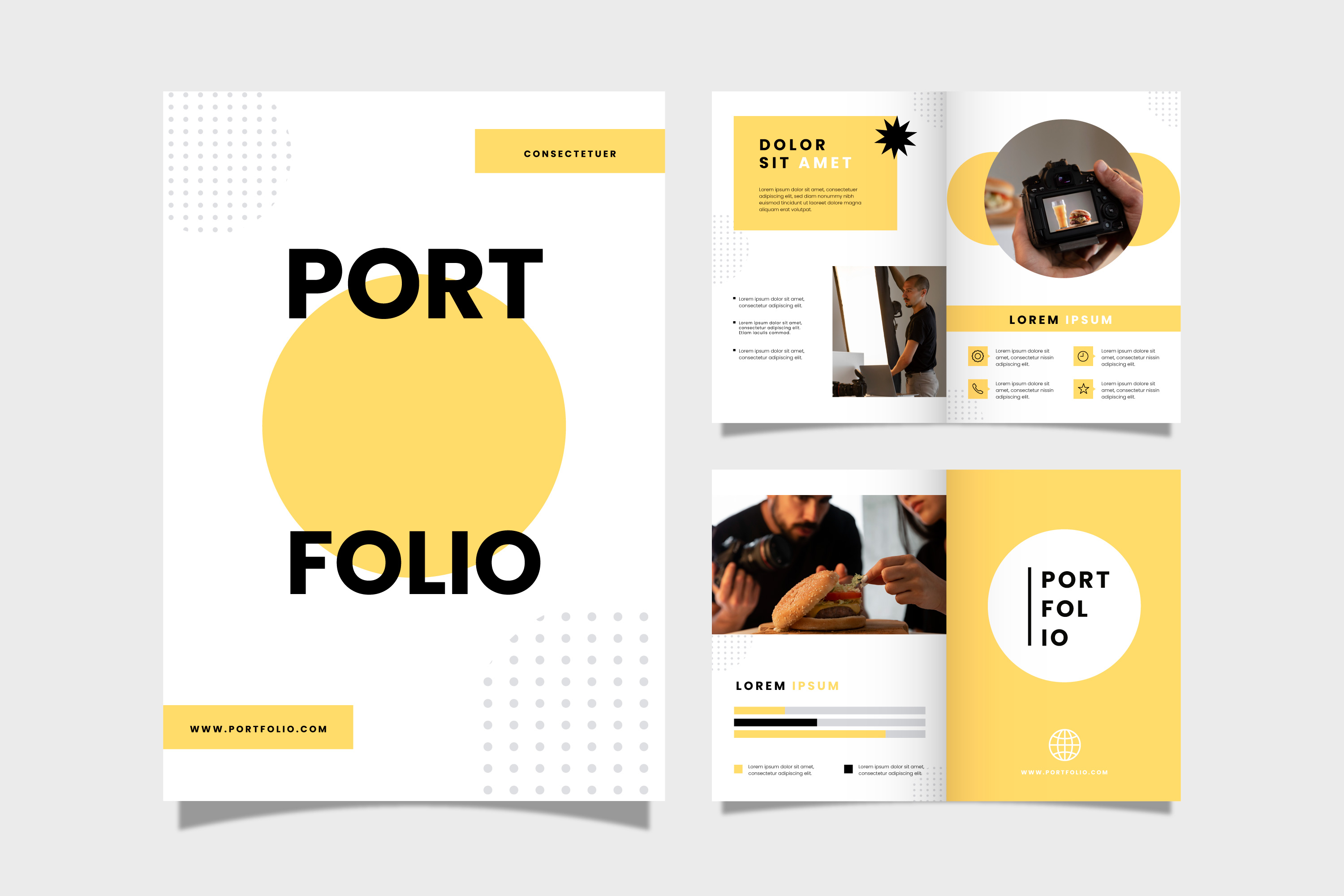
In today’s competitive job market, showcasing your skills through a well-crafted portfolio is no longer optional, it is essential. Whether you are a designer, developer, writer, marketer or creative professional, a strong portfolio is your digital resume, your first impression and often the deciding factor in landing interviews or clients.
This blog will walk through how to make a portfolio that stands out, tells your story and converts visitors into opportunities.
What Is A Portfolio And Why Does It Matters?
A portfolio is a curated collection of your work that highlights your skills, experience and achievements. Unlike a resume that lists your job history in bullet points, a portfolio brings your professional capabilities to life through examples. A portfolio demonstrates:
- What you can do
- How you think
- The quality of your work
- Your growth over time
In creative and technical fields, employers and clients often evaluate portfolios before resumes because portfolios provide context and proof of skill.
Portfolio Vs Resume: What’s The Difference?
A resume is a structured summary of your work history, education and skills. A portfolio complements your resume by showing real examples of your work. Given below are some basic differences between resume and portfolio:
| Feature | Resume | Portfolio |
| Purpose | Summary of credentials | Showcase work and process |
| Format | Text-based | Visual and multimedia |
| Best For | All professions | Creative, digital, technical roles |
| Focus | Skills and history | Demonstrated outcomes |
Tip: Always link your portfolio in your resume, LinkedIn, email signature and professional bios.
Who Needs A Portfolio?
Everyone with demonstrable work should consider a portfolio. You may need one if you are:
- A graphic designer, UX/UI designer or web designer
- A photographer or videographer
- A writer, content creator or editor
- A engineer or software developer
- A marketer or branding specialist
- A student or recent graduate with projects to show
- A wellness and beauty professional
Even non-creative professionals can benefit from a portfolio that includes case studies, reports, analytics results or presentations.
Also read: How To List Projects On Your Resume
Elements Of An Effective Portfolio
A strong portfolio isn’t just a list of files, it is a strategic presentation of your best work, organized to tell a story and persuade decision-makers. Here are the core elements every portfolio should include:
1. Professional Introduction: A compelling bio or headline that defines who you are and what you do
2. Work Samples: High-quality examples relevant to your field
3. Project Descriptions: Context matters. Describe the challenge, your approach, tools used and the final result
4. Visuals And Media: Images, videos, screenshots and interactive links make your work memorable
5. Skills Summary: Tools, technologies, competencies and methodologies you use
6. Testimonials Or Client Feedback: Social proof boosts credibility
7. Contact Information: Make it easy for someone to hire you
How To Make A Portfolio?
Creating a portfolio can feel confusing at first, but breaking it into clear steps makes the process manageable. Follow this steps:
Step 1: Define Your Purpose: Before you begin, ask:
- Who is this portfolio for?
- What do I want viewers to do after seeing it (hire me, contact me, offer a job)?
Step 2: Select Your Best Work: Quality always beats quantity. Choose 8-12 examples that reflect:
- Variety of skills
- Relevance to target roles
- Results and impact
Step 3: Write Clear Project Case Studies: For each work sample, include:
- Project name and date
- Your role and responsibilities
- Tools or technologies used
- Problem statement
- Your approach
- Outcome or impact
Step 4: Choose Your Platform: Decide where your portfolio will live. Choose one that matches your field and technical comfort.
Step 5: Optimize For SEO: Use descriptive titles, alt text for images and keyword-rich project descriptions. This helps your portfolio show up in search results.
Step 6: Publish And Test: Once live, test your portfolio on desktop and mobile devices. Ensure links work, visuals load fast, and navigation is intuitive.
Step 7: Update Regularly: A portfolio is a living document. Refresh it with recent work and remove outdated pieces to keep it current and competitive.
Platforms To Build Your Portfolio
Selecting the right platform depends on your industry, technical skills and budget. Here are proven options:
1. Personal Website (Custom Domain)
- Full control over design
- Professional branding
- Better SEO
2. Portfolio Builders
- Behance: Popular for designers and creatives
- Dribbble: Showcases UI/UX and visual design work
- Adobe Portfolio: Free with Adobe subscription
3. GitHub (for Developers)
- Showcasing code
- Live projects
- Version history
Portfolio Design Tips That Work
A portfolio should be visually appealing but functional. Follow these design principles:
- Keep It Simple: Avoid clutter. Use whitespace and consistent typography
- Use High-Quality Images: Blurry or low-resolution visuals undermine credibility
- Prioritize Usability: Ensure navigation is intuitive and straightforward
- Make It Responsive: Most viewers will land on mobile devices first
- Use Consistent Branding: Colors, fonts and tone should reflect your style
How To Showcase Your Best Work?
Effective portfolios do not just display work, they explain the story behind the work. Here is how to present projects strategically:
- Show the Problem First: Begin with what challenge you were solving. This sets context.
- Highlight Your Contribution: Be clear about your role. If it was a team project, specify your responsibilities.
- Show the Results: If possible, quantify your impact – e.g., “Increased conversions by 25%,” or “Reduced page load time by 40%.”
- Add Screenshots, Videos And Links: Visual proof enhances credibility and engages visitors.
Common Portfolio Mistakes To Avoid
A portfolio can fail to impress if you make preventable errors. Avoid these:
- Too Much Work: More is not better. Select quality over quantity
- No Context: A visual without explanation tells nothing
- Outdated Samples: Keep current work at the forefront
- Poor Navigation: Visitors should find your best work within seconds
- No Contact Info: If they cannot contact you, your portfolio fails its purpose
Promoting Your Portfolio For Maximum Visibility
- Social profiles
- Resume
- Business cards
- Add Portfolio Link Everywhere
- Email signature
Conclusion
A well-crafted portfolio is one of the most powerful tools for advancing a professional career. It goes beyond resumes to showcase real skills, real work and real impact. By following this blog on how to make a portfolio, professionals can build a digital showcase that impresses employers, attracts clients and opens doors.
Remember: portfolio building is a process, refine it over time, keep it updated, and optimize it for people and search engines alike. With strategy, quality content and intentional promotion, your portfolio can become a standout asset in your career toolkit.
Related Reads:
FAQs
1. What should a beginner’s portfolio include?
Beginners should focus on high-quality projects, practice assignments, volunteer work and any freelance tasks. Contextualize each project clearly.
2. How many pieces of work should be in a portfolio?
Aim for 8 to 12 high-impact examples. Quality should always outweigh quantity.
3. Should a portfolio be online only?
An online portfolio is essential today. However, you can have a PDF or printed version for in-person interviews.
4. Can a portfolio replace a resume?
A portfolio complements a resume but does not replace it. Use both together for best results.
5. How often should portfolios be updated?
Update your portfolio every 3-6 months, whenever you complete significant work or learn new skills.
6. Is a portfolio required for non-creative jobs?
Yes, professionals in fields like marketing, data analysis, finance and management can use portfolios to showcase reports, case studies, dashboards and measurable outcomes.
7. Can a student create a portfolio without work experience?
Yes, academic projects, internships, certifications, mock assignments and self-initiated projects are acceptable and valuable for student portfolios.
8. Should a portfolio include failed or unfinished projects?
Only if they demonstrate learning, problem-solving or improvement, otherwise, focus on polished and complete work.
9. How long does it take to build a professional portfolio?
A basic portfolio can be created in one to two weeks, while a refined, content-rich portfolio may take a month or more.
10. Should portfolios be customized for different job roles?
Yes, tailoring portfolio content to match specific roles improves relevance and significantly increases shortlisting chances.




 Facebook
 Instagram
 Twitter




