


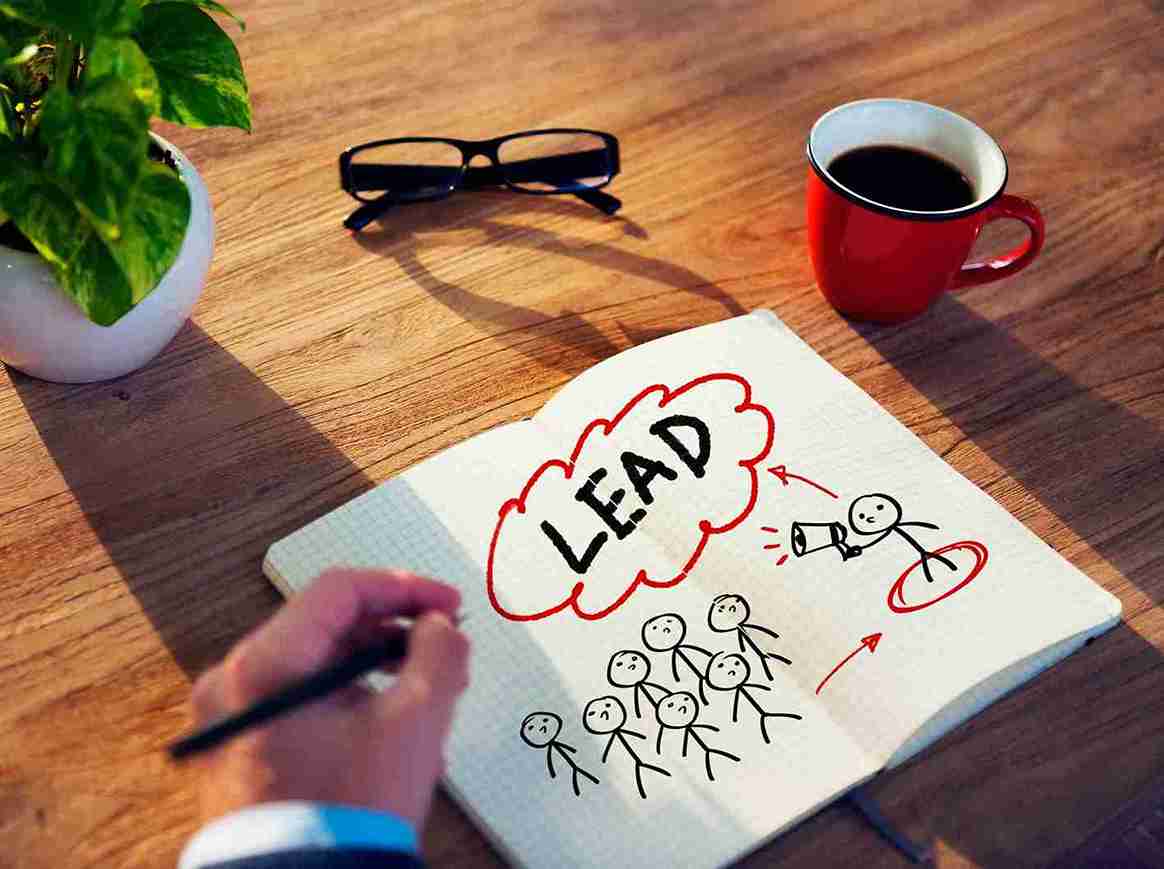
Leadership roles play a critical role in shaping organisations, driving team performance, and influencing long-term career growth. In today’s fast-paced work environment, leadership is no longer limited to senior positions. It exists at multiple levels and is defined by responsibility, decision-making, and the ability to guide others.
This blog provides a complete understanding of leadership roles in the workplace, including what they are, the different types of leadership roles, the skills required, and how professionals can build a successful leadership career.
What Is A Leadership Role?
A leadership role refers to a position where an individual is responsible for guiding a team, setting direction, making decisions and ensuring that organisational goals are achieved effectively. Unlike individual contributor roles, leadership positions focus not only on personal performance but also on managing people, solving problems, and aligning team efforts with business objectives.
Leadership does not always begin with a formal designation. Many professionals demonstrate leadership by taking initiative, mentoring colleagues and influencing outcomes even without formal authority. Over time, these behaviours evolve into structured roles such as team leaders, managers and senior executives.
Examples Of Leadership In The Workplace
Leadership is often best understood through real workplace situations:
- A team leader helping a new employee understand tasks and improve performance acts as a coach
- A manager resolving conflicts between team members shows strong problem-solving and people management
- A project lead aligning the team during tight deadlines demonstrates effective communication and coordination
- A senior leader making long-term business decisions reflects strategic thinking and vision
These examples show that leadership is not just about authority, but about guiding, supporting, and enabling others to perform better.
Types Of Leadership Roles In The Workplace
Leadership roles can be broadly divided based on experience level and responsibilities.
1. Entry-Level Leadership Roles: These roles involve direct interaction with team members and managing daily operations.
- Examples: Team Leader, Supervisor, Shift In-Charge
- Focus: Task execution, coordination, and performance tracking
2. Mid-Level Leadership Roles: Mid-level leaders manage teams and ensure organisational goals are met.
- Examples: Manager, Assistant Manager, Department Head
- Focus: Team management, resource allocation, and performance improvement
3. Senior Leadership Roles: These roles focus on long-term strategy and organisational growth.
- Examples: Director, Vice President, CEO
- Focus: Strategy, decision-making, and vision
While titles vary across industries, the core responsibility of leadership remains consistent, guiding people toward shared objectives.
Why Leadership Roles Matter In The Workplace?
Leadership roles are essential for both organisational success and individual career growth. They ensure that teams stay aligned, motivated, and productive.
Key benefits of leadership roles include:
- Better team coordination and performance
- Clear direction and goal alignment
- Faster decision-making and problem-solving
- Increased career growth opportunities
- Higher earning potential and visibility
Professionals with leadership experience are more adaptable and can move across roles and industries with ease.
Why Leadership Roles Matter For Career Growth?
Leadership roles play a crucial role in long-term career growth. Employers value leadership experience because it reflects the ability to manage complexity, work with people, and contribute strategically. From a career perspective, leadership roles offer:
- Faster professional growth and promotion opportunities
- Greater visibility within the organisation
- Increased earning potential and responsibility
- Exposure to strategic decision-making and business operations
Professionals with leadership experience are also more adaptable, as these skills remain relevant across industries and roles.
Key Skills Required For Leadership Roles
Success in leadership roles depends on a combination of interpersonal and strategic skills, including communication skills and management skills. In real workplace scenarios, these skills are reflected in everyday actions such as guiding team members, resolving conflicts, and keeping teams motivated during challenges.
- Communication Skills: Leaders must communicate goals clearly, listen actively, and provide constructive feedback to ensure alignment and trust.
- Decision-Making Ability: Leaders are required to make timely and effective decisions, often under pressure.
- Emotional Intelligence: Understanding team behaviour, managing stress, and responding calmly improves leadership effectiveness.
- Strategic Thinking: Leaders must focus on long-term goals, risks, and opportunities.
- Accountability And Integrity: Strong leaders take responsibility for outcomes and build trust through ethical behaviour.
Leadership Roles Across Different Industries
Leadership roles exist across all industries, though expectations may vary:
- Technology: Focus on innovation and collaboration
- Healthcare: Emphasis on compliance and quality care
- Education: Academic and administrative leadership
- Retail & Hospitality: Customer experience and operations
Understanding industry-specific expectations helps professionals prepare more effectively.
Leadership Vs Management: Key Difference
Leadership and management are closely related but serve different purposes. To explain the difference in simple terms:
- Management focuses on planning, organising, and controlling processes
- Leadership focuses on influencing, motivating, and guiding people
For example, a manager may ensure tasks are completed on time, but a leader ensures the team stays motivated and aligned while completing those tasks.
How To Prepare For Leadership Roles?
Preparing for leadership roles requires consistent effort and proactive development.
- Take ownership of responsibilities
- Participate in team coordination and projects
- Learn from mentors and experienced leaders
- Improve problem-solving and decision-making
- Seek feedback and continuously improve
Leadership development is an ongoing process that evolves with experience.
Common Challenges In Leadership Roles
Leadership roles come with challenges that test decision-making, emotional resilience and adaptability. Some common challenges include:
- Managing conflicts within teams
- Balancing performance expectations with employee well-being
- Making decisions with limited information
- Leading teams in remote or hybrid work environments
For instance, resolving a disagreement between team members or managing pressure during tight deadlines requires both emotional intelligence and clear communication.
Future Scope Of Leadership Roles
The expectations from leadership roles continue to evolve. Modern leaders are expected to be adaptable, inclusive and technologically aware. Key trends shaping leadership roles include:
- Greater focus on emotional intelligence and well-being
- Data-driven decision-making
- Inclusive and ethical leadership practices
- Emphasis on sustainability and long-term impact
These changes indicate that leadership success in the future will depend on continuous learning and human-centric approaches.
Building A Successful Leadership Career
A strong leadership career is built through continuous learning, consistency, and adaptability. Leadership is not defined by authority alone, but by influence, responsibility, and trust.
Professionals who invest in developing leadership skills, seek feedback and remain adaptable are more likely to achieve long-term success in leadership roles.
Conclusion
Leadership roles in the workplace are essential for driving organisational success and individual career growth. They involve responsibility, decision-making, and the ability to guide teams effectively. With the right mindset, communication skills, management skills, and continuous development, professionals can build a strong and sustainable career in leadership.
👉 In short, leadership roles are a key driver of long-term professional success.
Related Read:
FAQs
1. Can someone become a leader without a formal title?
Yes, because leadership often starts with taking initiative, solving problems, and supporting teammates before any official designation is given.
2. Is leadership only for senior employees?
No, leadership can be demonstrated at any career stage through responsibility, ownership, and consistent performance.
3. What is a common mistake new leaders make?
Many new leaders try to do everything themselves instead of delegating, which limits team growth and increases stress.
4. Are leadership skills more important than technical skills?
Both matters, but leadership skills become more important as responsibilities increase and roles involve managing people and outcomes.
5. Can introverts succeed in leadership roles?
Yes, introverted leaders often excel through strong listening, thoughtful decision-making, and calm & consistent guidance.
6. Do all leadership roles involve managing people?
No, some leadership roles focus on project ownership, strategy, or influence without direct people management.
10. Do leadership roles improve long-term career stability?
Yes. Leadership experience increases professional value and makes career transitions easier across roles and industries.



 Facebook
 Instagram
 Twitter




