


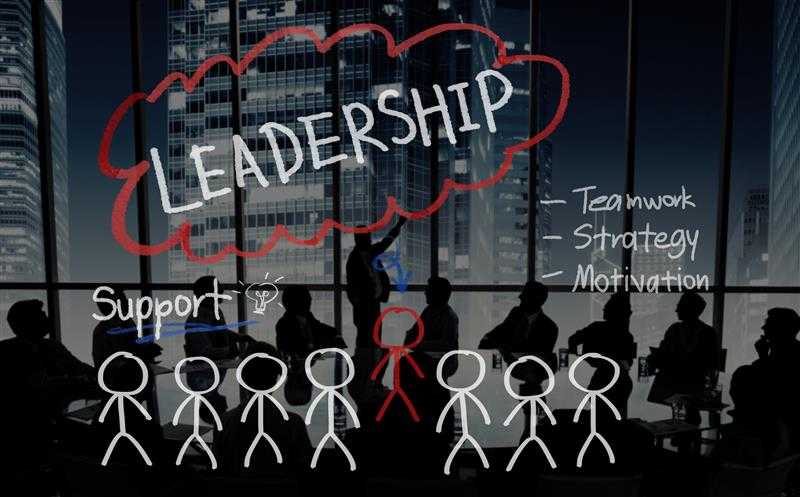
Leadership plays a defining role in how organisations function, how teams perform and how long-term goals are achieved. While leadership is often spoken about as a single skill, in reality it takes many forms. Different situations, industries and team dynamics demand different leadership approaches. This is why understanding leadership styles has become essential for managers, team leads and professionals aspiring to leadership roles.
This comprehensive guide explains the 10 common leadership styles, their core characteristics, strengths, limitations and practical workplace relevance.
What Is A Leadership Style?
A leadership style refers to the consistent pattern of behaviour a leader uses to guide, motivate and manage people. It reflects how decisions are made, how authority is exercised and how communication flows within a team or organisation.
No single leadership style is universally effective. Strong leaders understand multiple styles and adapt their approach depending on business goals, team maturity and organisational culture.
Why Understanding Leadership Styles Matters?
Leadership style directly influences:
- Employee motivation and engagement
- Decision-making speed and quality
- Team collaboration and trust
- Productivity and performance outcomes
- Organisational culture and retention
In today’s evolving workplaces, leadership flexibility is no longer optional. It is a strategic capability.
Types Of Leadership Style
Leadership styles define how leaders guide, motivate, and influence their teams to achieve goals. Each leadership style reflects a different approach to decision-making, communication and team management. Give below are the common types of leadership style:
1. Autocratic Leadership: Autocratic leadership is a highly control-oriented leadership style where decision-making authority lies almost entirely with the leader. Instructions are given clearly and employees are expected to follow them without questioning or contributing to the decision process. This style emphasises discipline, structure and efficiency over collaboration.
While autocratic leadership often receives criticism for being rigid, it remains relevant in environments where precision, safety and time sensitivity are critical. In such situations, clear command structures reduce confusion and ensure consistency.
Characteristics of autocratic leadership include:
- Centralised decision-making
- Clear authority and hierarchy
- Limited employee involvement
- Strong focus on rules and compliance
2. Democratic Leadership: Democratic leadership, also known as participative leadership, encourages team involvement in decision-making. Leaders seek opinions, value feedback and foster open discussions before finalising actions. Although the leader retains final responsibility, employees feel heard and respected.
This leadership style strengthens trust and engagement, particularly in professional and creative environments. Employees are more invested in outcomes because they contribute to shaping decisions.
Characteristics of democratic leadership are:
- Open communication channels
- Shared decision-making
- Encouragement of ideas and suggestions
- Emphasis on teamwork and collaboration
3. Laissez-faire Leadership: Laissez-faire leadership is based on autonomy and trust. Leaders provide resources, direction and objectives but give employees the freedom to decide how work is executed. Supervision is minimal and responsibility largely rests with the team.
This approach works effectively when employees are skilled, self-motivated and confident. However, without clarity or accountability, it can result in confusion or uneven performance.
Characteristics of laissez-faire leadership include:
- Minimal supervision
- High independence for employees
- Leader acts as a facilitator rather than a controller
- Emphasis on individual accountability
4. Transformational Leadership: Transformational leadership focuses on inspiring employees by connecting daily work to a larger vision. Leaders motivate teams to exceed expectations by fostering purpose, innovation and professional growth. Rather than managing tasks alone, transformational leaders aim to transform mindsets.
This style is particularly effective during periods of organisational change, expansion or innovation, where motivation and adaptability are essential.
Characteristics of transformational leadership are:
- Vision-driven decision-making
- Strong emotional intelligence
- Focus on innovation and improvement
- Encouragement of personal and professional growth
5. Transactional Leadership: Transactional leadership operates on structure, performance and results. Employees are rewarded for meeting expectations and corrected when standards are not met. The relationship between leader and employee is clearly defined and task-oriented.
This leadership style is practical and efficient in environments where roles are structured and outcomes are measurable. However, it may limit creativity if overused.
Characteristics of transactional leadership include:
- Performance-based rewards
- Clearly defined roles and targets
- Close monitoring of work
- Emphasis on short-term objectives
6. Servant Leadership: Servant leadership places employees at the center of leadership priorities. Rather than exercising authority through power, leaders focus on supporting, mentoring and empowering their teams. The belief is that when employees thrive, organisational success follows naturally.
This leadership style builds strong relationships and long-term loyalty but may be less effective in highly aggressive or fast-paced business environments.
Characteristics of Servant leadership include:
- People-first approach
- Empathy and active listening
- Ethical decision-making
- Commitment to employee development
7. Bureaucratic Leadership: Bureaucratic leadership relies on formal rules, procedures and established systems. Leaders strictly follow organisational policies and expect employees to do the same. Decision-making is guided more by structure than flexibility.
This style ensures consistency and risk control, particularly in regulated industries, though it may restrict adaptability and innovation.
Characteristics of bureaucratic leadership include:
- Rule-based management
- Clearly defined procedures
- Emphasis on compliance
- Predictable and consistent outcomes
8. Charismatic Leadership: Charismatic leadership is driven by the leader’s personality, communication skills and emotional appeal. Such leaders inspire strong loyalty and motivation through vision and persuasion rather than authority alone.
While highly effective in energising teams, this style can create dependency if organisational systems rely too heavily on one individual.
Characteristics of bureaucratic leadership include:
- Strong personal influence
- Persuasive communication
- High emotional engagement
- Ability to rally teams around a vision
9. Coaching Leadership: Coaching leadership focuses on long-term employee development. Leaders invest time in mentoring, offering feedback and helping individuals improve skills and confidence. The emphasis is on growth rather than immediate results.
This leadership style strengthens internal talent pipelines and employee retention but requires patience and commitment.
Characteristics of coaching leadership include:
- Continuous feedback
- Skill and capability development
- Individualised guidance
- Focus on long-term performance
10. Situational Leadership: Situational leadership is adaptive by nature. Leaders adjust their approach based on employee competence, motivation and task complexity. There is no fixed style, leadership behaviour evolves with circumstances.
This flexibility makes situational leadership highly effective but also demanding, as it requires strong judgement and emotional intelligence.
Characteristics of Situational leadership involves:
- Flexible leadership approach
- Context-based decision-making
- Balancing direction and support
- Adapting to team maturity levels
How To Choose The Right Type Of Leadership Style?
Choosing the right leadership style is not about following trends or copying successful leaders. It is about understanding people, situations and organisational needs, then applying the most suitable approach. Effective leadership is flexible, practical and responsive rather than fixed or rigid. Given below are some ways to choose the right leadership style:
1. Assess The Nature Of The Work: Different types of work require different leadership styles. Routine and process-driven tasks benefit from structured leadership, whereas creative or problem-solving roles need flexibility and openness.
2. Consider Organisational Goals And Culture: Leadership style should align with the organisation’s goals and workplace culture. Growth-focused organisations benefit from inspirational leadership, while stability-driven environments require rule-based and accountable leadership.
3. Evaluate Time Sensitivity And Pressure: When decisions must be made quickly, a directive leadership style ensures speed and clarity. When time allows, involving team members improves decision quality and commitment.
4. Reflect On Individual Motivation And Behaviour: Employees are motivated differently and leadership should reflect this. Some perform better with independence, while others need regular guidance and feedback to stay engaged.
5. Use Flexibility Instead Of One Fixed Style: Effective leaders adapt their style based on the situation. Shifting between directive, collaborative and supportive approaches helps leaders stay effective across changing circumstances.
6. Learn Through Feedback And Experience: Leadership develops through observation, feedback and reflection. Leaders who continuously adjust their approach build stronger teams and long-term success.
Myths About Leadership Styles (With Supporting Facts)
No single leadership style is effective in all situations. Successful leaders adapt their approach based on team needs, goals and workplace challenges.
- Myth 1: One Leadership Style Works In Every Situation: No single leadership style is effective in all situations. Successful leaders adapt their approach based on team needs, organisational goals and workplace challenges. Flexibility allows leaders to respond more effectively to changing circumstances.
- Myth 2: Leadership Is Only About Authority: Leadership is often mistaken for control or position of power. In reality, effective leadership focuses on influence, guidance and trust. Strong communication, clarity of vision and relationship-building matter far more than authority alone.
- Myth 3: Democratic Leadership Always Slows Decision-Making: Democratic leadership does not necessarily delay decisions. When applied in non-urgent situations, it improves decision quality, increases team involvement and builds stronger commitment to outcomes.
- Myth 4: Autocratic Leadership Is Always Negative: Autocratic leadership is not inherently harmful. It can be highly effective in crisis situations or in environments that demand speed, safety and strict compliance, such as emergency response or high-risk operations.
- Myth 5: Leaders Must Stick To One Leadership Style: Effective leaders do not rely on a single leadership style. They adjust their approach based on team maturity, task complexity and organisational priorities, ensuring better results across different scenarios.
Advantages And Disadvantages Of Leadership Styles
Understanding the strengths and limitations of leadership styles helps leaders apply them thoughtfully and avoid rigid or ineffective approaches.
Advantages Of Leadership Styles
- Help leaders adapt their approach based on team needs and workplace situations
- Improve clarity in decision-making and role expectations
- Enhance employee engagement when aligned with team motivation
- Support organisational goals by matching leadership behaviour with strategy
- Encourage better performance through structured or flexible management as required
Disadvantages Of Leadership Styles
- May reduce effectiveness if applied without considering context
- Can lower morale when leadership approach does not match team expectations
- Overuse of a single style may limit creativity or accountability
- Poor alignment with organisational culture can create resistance
- Inflexible leadership behaviour may lead to communication gaps and disengagement
Conclusion
Leadership is not defined by a single approach, but by the ability to understand situations, people and organisational needs. The effectiveness of a leader lies in choosing the right leadership style at the right time, rather than relying on one fixed method.
By understanding the common leadership styles, their applications and limitations, leaders can respond more thoughtfully to challenges, support their teams more effectively and drive sustainable performance. Strong leadership is ultimately about adaptability, clarity and balance, aligning people and purpose to achieve long-term success.
Related Reads:
- Understanding The Characteristics Of Management
- What Is The ‘Order Principle’ Of Management?
- Henri Fayol’s 14 Principles Of Management
FAQs
1. What are leadership styles?
Leadership styles refer to the different approaches leaders use to guide, motivate and manage teams. They define how decisions are made and how leaders interact with employees.
2. Why are leadership styles important in the workplace?
Leadership styles directly affect employee motivation, teamwork, productivity and organisational culture. The right style helps improve performance and workplace harmony.
3. Is there one best leadership style?
No single leadership style is universally effective. The best approach depends on the situation, team capability, organisational goals and external pressures.
4. Can a leader use more than one leadership style?
Yes, effective leaders often use multiple leadership styles. Adapting leadership behaviour to changing situations leads to better outcomes.
5. Which leadership style is best for employee engagement?
Democratic, coaching and servant leadership styles are commonly associated with higher employee engagement when applied appropriately.
6. Can poor leadership style cause employees to leave?
Yes, mismatched or rigid leadership styles are a common reason for disengagement and attrition. Employees often leave managers, not organisations.
7. Is leadership style more important than technical skills?
Both are important, but leadership style has a greater impact on team morale and performance. Strong technical skills without effective leadership often limit team success.
8. How should leadership style change during a crisis?
During a crisis, leadership usually becomes more directive to ensure clarity and quick decisions. Once stability returns, a more collaborative approach is often effective.
9. Do leadership styles matter for individual contributors, not just managers?
Yes, leadership behaviour influences how individuals collaborate, communicate and take responsibility, even without formal authority.
10. What is the biggest mistake leaders make with leadership styles?
The most common mistake is sticking to one style regardless of the situation. Effective leadership requires awareness, adaptability and continuous learning.






 Facebook
 Instagram
 Twitter




