


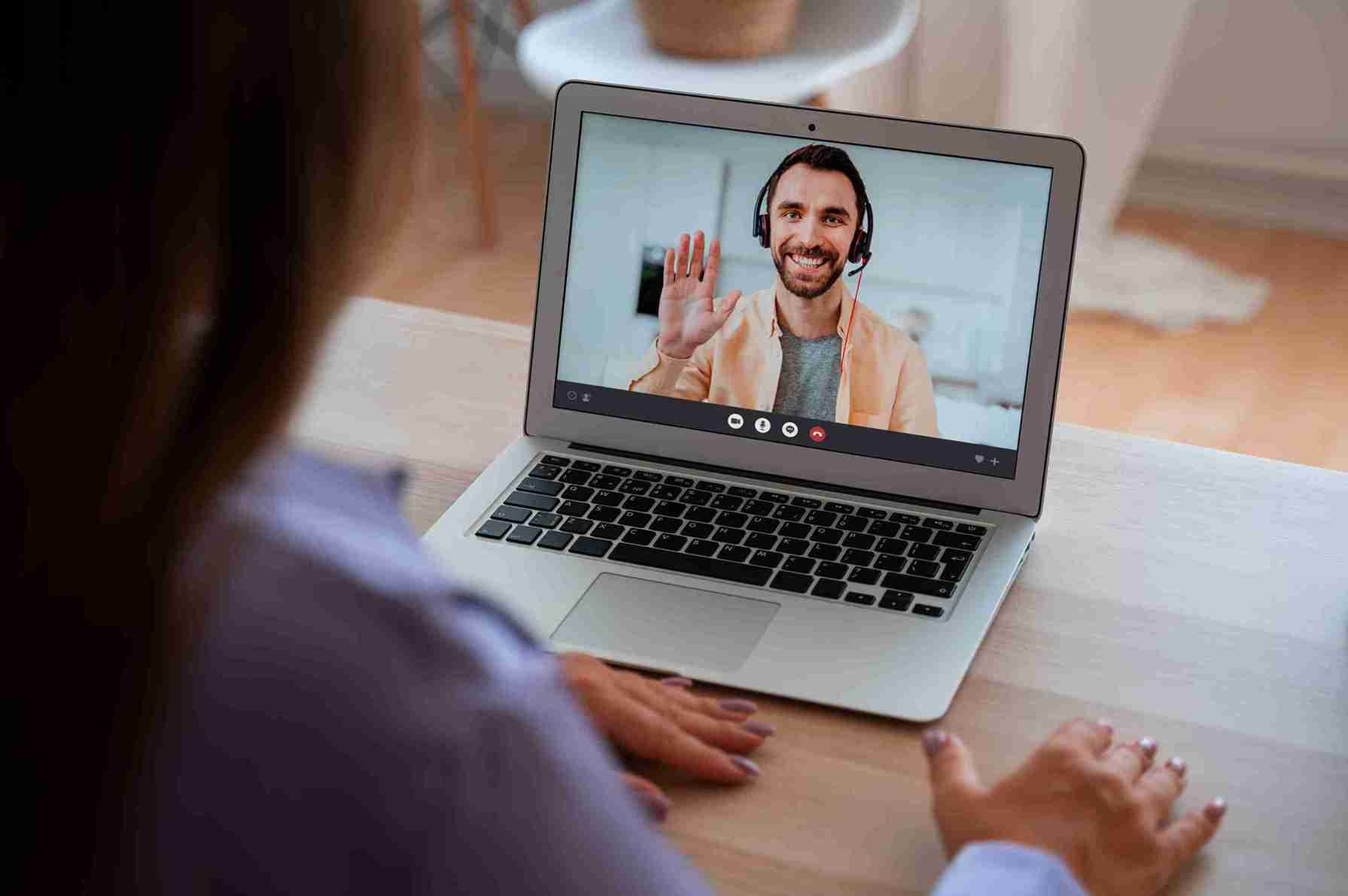
In today’s digital era, time truly equals money and hiring processes are no exception. As work, communication and collaboration continue to shift online, companies across industries are increasingly adopting virtual interviews to connect with candidates faster and more efficiently. Online interviews allow recruiters to assess communication skills, confidence and professionalism without geographical limitations. Whether conducted through Zoom, Microsoft Teams or Google Meet, virtual interviews have become a standard part of modern recruitment, often serving as the first and most critical interaction between a candidate and an employer.
In this blog, the meaning of a virtual interview is explained along with simple ways to prepare for it, importance of virtual interviews and common mistakes that should be avoided.
What Is A Virtual Interview?
A virtual interview is a job interview conducted online using video or audio calling platforms instead of meeting in person. It allows employers and candidates to connect remotely through tools like video conferencing software, email or phone calls. Virtual interviews are commonly used for initial screening, remote roles or when in-person meetings are not practical. They help save time, reduce travel costs and make the hiring process faster and more flexible for both companies and candidates.
Unlike traditional face-to-face interviews, virtual interviews demand more than well-prepared answers. They require candidates to manage technology, presentation and professional etiquette in a digital setting. Factors such as camera positioning, internet stability, background setup and body language play a significant role in shaping the interviewer’s perception. Proper preparation helps avoid technical disruptions, builds confidence and ensures a strong first impression, making it a decisive factor in standing out in today’s competitive, digital-first hiring landscape.
Importance Of Virtual Interviews
The following points highlight why virtual interviews are important and beneficial for candidates in today’s hiring process:
- Saves Time, Cost And Travel Effort: Virtual interviews allow candidates to attend interviews without traveling long distances or taking time off from current responsibilities. This reduces expenses related to transport, accommodation and preparation, making the process more convenient and stress-free.
- Provides Access To More Job Opportunities: With location no longer being a barrier, candidates can apply for roles across cities, states or even countries. Virtual interviews open doors to a wider range of opportunities that may not have been possible through in-person interviews alone.
- Creates A Comfortable And Familiar Interview Environment: Attending an interview from a familiar space helps candidates feel more relaxed and confident. Being in a controlled environment reduces anxiety and allows better focus on answering questions clearly and confidently.
- Showcases Digital And Communication Skills: Virtual interviews give candidates the opportunity to demonstrate their comfort with technology, online communication and remote work tools. These skills are increasingly important in modern workplaces and can positively influence hiring decisions.
- Enables Better Interview Preparation: Candidates can prepare their setup in advance, keep notes nearby and manage their time more efficiently. This level of preparedness often leads to clearer responses, improved confidence and an overall stronger interview performance.
Ways To Prepare For Virtual Interviews
Preparing for a virtual interview requires more than just answering questions correctly. Given below are some important points that help ensure a smooth interview experience and create professional impression in an online setting:
1. Test Your Technology In Advance
Before any virtual interview, it is important to check that your technology is working smoothly. Test your laptop, camera, microphone and internet connection at least a day before the interview. Make sure the video and audio are clear and stable. Keep your device fully charged and have a backup option ready, such as a mobile internet or earphones, in case of technical issues. Being well-prepared with your setup reflects reliability and professionalism – two qualities recruiters value in every candidate.
2. Choose A Quiet And Well-Lit Space
A good environment sets the tone for an online interview. Pick a quiet, well-lit room with minimal background noise. Natural light is ideal but if not possible, use a desk lamp or ring light to brighten your face evenly. Keep your background clean and distraction-free so the interviewer can focus entirely on you. This small step can make a huge difference in how confident and organized you appear during the virtual conversation.
3. Dress Professionally From Head To Toe
Even though online interviews happen remotely, professional dressing still matters. Choose neat, well-fitted clothes that give a polished and confident look. Avoid bright patterns or overly casual wear that may appear unprofessional on camera. Dressing appropriately helps create the right mindset, boosts confidence and shows that the candidate is taking the interview seriously, just like an in-person meeting.
4. Practice Common Virtual Interview Questions
Online interviews often include questions that assess both technical and communication skills. Prepare answers for common HR and role-related questions. Practicing these answers helps build fluency and ensures clarity while speaking on camera. Recording a mock session can also help evaluate tone, pace and body language for improvement.
5. Maintain Eye Contact And Positive Body Language
Good eye contact and posture play a major role in virtual interviews. Look directly into the camera instead of the screen to maintain natural engagement. Sit upright with a pleasant expression and avoid slouching or fidgeting. Smile when appropriate, nod to show understanding and use minimal hand gestures to appear confident and focused. These non-verbal cues show attentiveness and make the conversation feel more personal and professional.
6. Keep All Necessary Documents Ready
Before the online interview begins, keep digital and physical copies of your resume, ID, portfolio or any other relevant documents nearby. Having everything within reach helps in case the interviewer asks for quick reference. It also saves time and shows that the candidate is well-prepared and organized, traits that employers highly appreciate during a virtual hiring process.
7. Follow Up After The Interview
Once the virtual interview ends, take a few minutes to send a polite follow-up email thanking the interviewer for their time. Express your continued interest in the position and briefly highlight one key point from the conversation. A short, professional message not only reinforces your enthusiasm but also leaves a positive impression that can make you stand out among other candidates.
Mistakes To Avoid In Online Interviews
Online interviews require the same level of professionalism as in-person meetings, along with careful attention to technical and behavioral details. The points below highlight common mistakes that candidates should avoid during online interviews:
- Not Testing Your Technology Beforehand: Technical issues such as poor internet connection, unclear audio, or a non-working camera can interrupt the flow of the interview. Always test the device, software and connectivity at least 15 – 20 minutes before the interview to avoid last-minute stress.
- Sitting In A noisy Or Unprofessional Environment: Background noise, cluttered surroundings or frequent interruptions can distract the interviewer and break concentration. Choosing a quiet, well-lit space with a clean background helps maintain a professional appearance.
- Dressing Casually: Wearing casual clothes can give the impression that the interview is not being taken seriously. Dressing professionally, just like an in-person interview, reflects respect for the opportunity and boosts confidence.
- Poor Body Language And Lack Of Eye Contact: Avoid looking at the screen constantly or away from the camera. Slouching, fidgeting,or appearing distracted can signal nervousness or lack of interest. Sitting upright and maintaining eye contact with the camera helps create a positive impression.
- Being unprepared: Joining the interview without proper research about the company or role can lead to weak answers. Checking messages, taking calls or multitasking during the interview appears unprofessional and shows lack of focus.
Conclusion
Preparing for a virtual interview is no longer optional, it’s an essential skill for every modern professional. Online interviews test more than just knowledge; they reveal preparation, confidence and adaptability.
A successful virtual interview depends on how well candidates combine preparation with presence. When the technology runs smoothly and responses are clear and confident, recruiters can focus entirely on a candidate’s abilities. The key is to treat every online meeting with the same seriousness as a face-to-face interaction. With these effective virtual interview tips and practical online interview preparation strategies, every candidate can appear polished, prepared and ready for the next career opportunity.
Related Reads:
- 15 Interview Questions And Answers For Freshers
- How To Answer “Tell Me About Yourself”?
- How To Answer – Why Do You Want To Join Our Company?
FAQs
1. What should I wear for a virtual interview?
Opt for formal, solid-colored attire that looks clean and professional on camera. Well-chosen clothing creates a positive impression and reflects readiness for the role.
2. How early should I join an online interview?
Log in about ten minutes before the scheduled time. Early preparation allows you to test your microphone, camera and background while showing punctuality.
3. What are the most common online interview mistakes?
Frequent errors include poor lighting, unstable internet, background noise and lack of preparation. Reviewing a quick virtual interview checklist before joining helps avoid these issues.
4. How can I appear confident during a video interview?
Maintain eye contact with the camera, keep a relaxed posture and speak clearly. Confidence on screen comes from thorough practice and calm communication.
5. What should I do if a technical glitch occurs?
Stay composed and inform the interviewer politely. Try reconnecting or switching to a backup device if required. A professional response to technical issues shows problem-solving skills.
6. How can I follow up after an online interview?
Send a brief thank-you email within 24 hours. Express appreciation for the discussion and restate enthusiasm for the position in a concise, positive tone.
7. Can I keep notes during a virtual meeting?
Yes, keeping short reference points nearby is acceptable. Use them subtly to stay on track instead of reading directly from them. It helps maintain a natural conversation flow.
8. What background is best for a video interview?
Select a clean, neutral setting with proper lighting. Avoid clutter or distractions so that attention remains focused on you and your responses.
9. How can I manage nervousness before a virtual interview?
Rehearse common questions, test your setup in advance and practice breathing exercises. Familiarity with the format reduces stress and improves overall confidence.
10. Are virtual interviews as impactful as in-person interviews?
Absolutely. Many organizations now consider online interviews equally effective because they highlight communication, clarity and professionalism. Strong video interview preparation can help candidates stand out regardless of location.




 Facebook
 Instagram
 Twitter




