


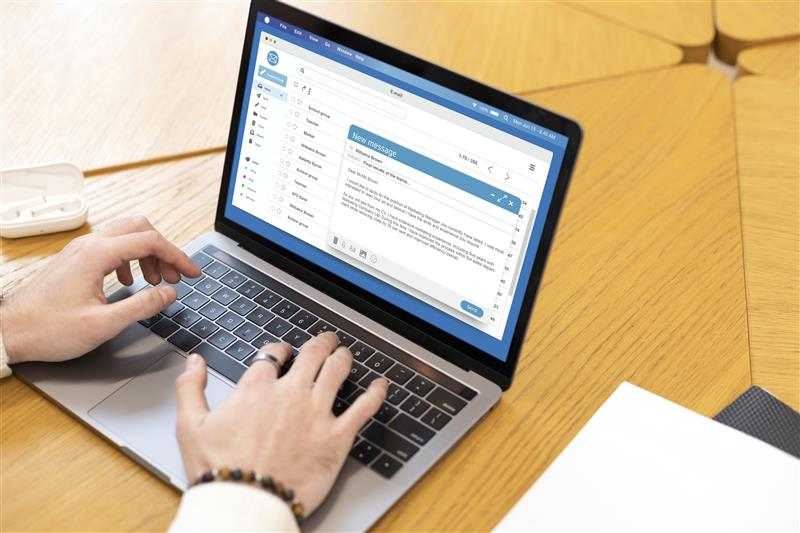
Hey! Attended that interview? Great! How did it go, did you get a reply or any message from the HR?
Well, if there isn’t any reply yet and it’s a complete silence, just drop in a follow-up email.
Yes! You read it right, a follow up email. This waiting for HR’s reply is very common, however a simple follow-up email can actually make a difference. Here is why – Sending a polite, well-timed follow-up email is the easiest and most professional way to remind the recruiter about the conversation, and show genuine interest in the role by staying on the hiring team’s radar without sounding forceful. And hey, sometimes, this small step is all it takes to speed up a response.
In this blog, let us walk through how to write a follow-up email after an interview in a clear, confident and effective way. You will also find what to include, when to send it, how to choose the right subject line and several follow-up email samples for different situations, whether it was a phone interview, a final round or there has been no response at all.
Importance Of A Follow-Up Email?
A job interview may officially end when the conversation is over, but the impression it leaves continues to influence the hiring decision. This is where a follow-up email after an interview becomes important. Given below are the qualities employers consistently look for in strong candidates.
1. Shows Professional Courtesy
Sending a thank-you email after an interview is not only polite but also demonstrates respect for the interviewer’s time and effort. Recruiters handle multiple interviews each day and acknowledging their effort with a short message helps candidates stand out. It sends a message that the applicant values communication, respects deadlines and pays attention to detail.
2. Reinforces Interest In The Role
A well-written interview follow-up email reinforces genuine interest in the job and the company. It reminds the hiring team that the candidate is still motivated and enthusiastic about contributing to the organization’s goals. Many recruiters say that such follow-up messages often become a deciding factor between equally qualified candidates, especially when they reflect a clear understanding of the company’s values or recent projects.
3. Keeps Candidates Top Of Mind
Employers often meet several applicants in a short span. A personalized email after an interview helps refresh the recruiter’s memory about who the candidate is, what skills they discussed and why they are a strong fit for the position. A short paragraph referring to a key moment from the conversation, like a project discussed or an idea shared, can instantly make the candidate more memorable.
4. Provides An Opportunity To Add Value
A thoughtful professional follow-up email can do more than just say “thank you.” It can highlight a specific achievement, share an additional document (such as a portfolio link), or briefly expand on a topic discussed during the interview. This proactive approach subtly showcases problem-solving ability and communication skills, qualities that most hiring managers appreciate.
5. Strengthens Employer Perception
In competitive hiring processes, recruiters not only evaluate skills but also look for commitment and consistency. Candidates who send a timely post-interview thank-you email are seen as more reliable and sincere. It shows they can communicate well and maintain professionalism under all circumstances, traits that every organization values in an employee.
6. Offers Closure And Clarity
Sometimes, interviews end without clear information about next steps or timelines. A courteous follow-up email sample can help clarify the process and gently inquire about updates. This avoids uncertainty and keeps the communication open without appearing impatient. It’s an elegant way to stay engaged while respecting the employer’s timeline.
When To Send A Follow-Up Email?
You know, even the best follow-up email can fall flat if it’s not sent at the right time or written the right way. Recruiters really notice these small details! In fact, when you send your message and how you frame it can matter just as much as the email itself. Get both right, and you are far more likely to be remembered, in a good way.
The general rule is to send a thank-you email after an interview within 24 hours of your meeting. This shows enthusiasm and gratitude while the discussion is still fresh in the interviewer’s mind.
If the recruiter mentioned a decision timeline – for example, “we will get back to you by next week” – it’s best to wait a few days after that date before sending a follow-up email. This maintains professionalism without sounding impatient.
| Situation | Ideal Timing | Purpose |
| After the interview | Within 24 hours | Express thanks and reinforce interest |
| After no response | 5–7 days later | Gently ask for an update |
| After final round | Within 24 hours | Show gratitude and continued enthusiasm |
Timely communication signals seriousness, commitment, and respect for the employer’s process – qualities that every hiring manager values.
How To Structure A Follow-Up Email?
A good interview follow-up email is short, focused and written with clarity. It should sound conversational yet professional. Every line should serve a purpose, from expressing gratitude to reinforcing your interest in the role. Here’s a simple structure that works for most cases:
1. Subject Line: The subject line determines whether your message gets opened. It should be direct, specific, and courteous. Some good examples:
- Thank You for the Interview: [Job Title]
- Follow-Up on [Position Name] Interview
- Appreciation for the Opportunity: [Your Name]
Keep it professional and avoid casual phrases like “Checking in” or “Just following up”.
2. Greetings: Always address the interviewer by name – for instance, Dear Mr. Sharma or Dear Ms. Iyer. Avoid generic greetings like “To whom it may concern”. This personal touch sets a respectful tone right from the beginning.
3. Opening Line: Start your email by expressing gratitude and thanking the interviewer for their time and the opportunity to learn more about the company. Example:
“Thank you for meeting with me yesterday regarding the Marketing Executive role. I appreciated our discussion about the company’s upcoming digital initiatives.”
This keeps the message warm and professional while reinforcing interest.
4. Middle Paragraph: Briefly highlight one or two points from the conversation that connect your skills to the role. You can mention a project, goal or responsibility that excites you.
“After our discussion about expanding the company’s online presence, I am even more enthusiastic about contributing my experience in social media strategy and content analytics.”
This part makes the professional follow-up email feel personalized and memorable.
5. Closing Line: End the message with a courteous sign-off. You can thank them again and show openness for future communication:
“Thank you again for considering my application. I look forward to hearing from you regarding the next steps.”
Then close formally:
Best regards,
[Your Full Name]
[Email ID]
[Contact Number]
10 Corporate-Friendly Follow-Up Email Samples
1. First Interview – Immediate Follow-Up
| Subject: Thank You for the Interview – Business Analyst Role Dear Ms. Gupta, Thank you for taking the time to discuss the Business Analyst position with me yesterday. I enjoyed learning more about your team’s current projects and the company’s strategic goals. I am excited about the opportunity to contribute my experience in data analysis and process optimization to support your team. Please let me know if any further information would be helpful. Best regards, Rohit Mehra rohit.mehra@email.com +91 XXXXXXXXXX |
2. First Interview – Phone/Virtual Round
| Subject: Follow-Up on Customer Success Manager Interview Dear Mr. Das, I appreciate you taking the time to speak with me over Zoom regarding the Customer Success Manager role. Our conversation about client engagement strategies was insightful, and I am eager to contribute to improving customer satisfaction at ABC Ltd. Thank you again for your time and consideration. I look forward to your feedback. Sincerely, Ananya Roy ananya.roy@email.com +91 XXXXXXXXXX |
3. After Final Round – Expressing Enthusiasm
| Subject: Appreciation for the Final Interview – Finance Analyst Role Dear Ms. Sharma, Thank you for meeting with me yesterday regarding the Finance Analyst position. I valued our discussion on budgeting strategies and team collaboration. I am enthusiastic about the opportunity to bring my experience in financial planning to your team and contribute to achieving your department’s goals. I look forward to your updates regarding the next steps. Warm regards, Amit Khanna amit.khanna.yy@email.com +91 XXXXXXXXXX |
4. After No Response – Gentle Follow-Up
| Subject: Follow-Up on Marketing Manager Interview Dear Mr. Iyer, I hope this message finds you well. I interviewed for the Marketing Manager role at XYZ Pvt. Ltd. on [Date] and wanted to follow up regarding any updates. I remain very interested in joining your team and contributing my skills in digital marketing strategy. Please let me know if additional information is needed. Best regards, Riya Nair riya.nair@email.com |
5. Networking/Relationship Maintenance
| Subject: Thank You for the Interview – Looking Forward Dear Ms. Kapoor, Thank you for considering my application for the Account Executive role. While I understand a decision has been made, I truly appreciated our conversation and your insights on the team’s goals. I hope we can stay in touch for future opportunities aligned with my skills in client management and strategy. Sincerely, Arjun Desai arjun.desai@gmail.com +91 XXXXXXXXXX |
6. After Panel Interview
| Subject: Gratitude for the Panel Interview – HR Specialist Role Dear Mr. Verma, I wanted to thank you and the panel for taking the time to interview me for the HR Specialist position. I enjoyed our discussion about employee engagement initiatives and talent development strategies. I am excited about the possibility of contributing to these initiatives with my experience in HR operations and organizational development. Best regards, Sakshi Malhotra sakshi.malhotra@gmail.com +91 XXXXXXXXXX |
7. Follow-Up With Additional Information
| Subject: Follow-Up – Graphic Designer Role Dear Ms. Singh, Thank you again for the opportunity to interview for the Graphic Designer position. I wanted to share my updated portfolio highlighting recent campaigns that align with your team’s design approach. I look forward to your feedback and remain enthusiastic about the possibility of joining your team. Warm regards, Neha Agarwal neha.agarwal@email.com +91 XXXXXXXXXX |
8. After Second Interview
| Subject: Thank You – Senior Developer Interview Dear Mr. Mehta, I appreciate the chance to meet again for the Senior Developer role. Discussing the upcoming product roadmap and technical challenges was insightful. I am confident that my experience in backend development and software architecture will contribute positively to your team’s objectives. Sincerely, Karan Joshi karan.joshi@email.com +91 XXXXXXXXXX |
9. Follow-Up After Informational Interview
| Subject: Thank You – Informational Interview Dear Ms. Iyer, Thank you for sharing your insights about the operations and strategy team at ABC Ltd. I greatly appreciated learning about your career journey and challenges in the role. Your guidance has been valuable, and I hope to stay in touch for potential opportunities in the future. Best regards, Simran Bhatia simran.bhatia@email.com +91 XXXXXXXXXX |
10. After Rejection – Positive Networking
| Subject: Thank You – Account Manager Role Dear Mr. Kapoor, Thank you for considering my application for the Account Manager position. While I was not selected, I truly appreciated our discussion and learning more about your team’s work. I hope we can stay connected for future opportunities where my skills in client engagement and strategy could be valuable. Warm regards, Rohan Verma rohan.verma@email.com +91 XXXXXXXXXX |
Mistakes To Avoid In A Follow-Up Email
Even the best follow-up email after an interview can lose its impact if it contains mistakes. Here are five common errors to avoid:
1. Sending The Email Too Late: Waiting too long can make your thank-you email after an interview seem insincere. Aim to send it within 24 hours to leave a strong impression. Sending late may also reduce your chances of being remembered among other candidates.
2. Being Too Generic: Avoid vague messages like “Thank you for your time.” Personalize your professional follow-up email by referencing specific topics discussed in the interview. This shows the interviewer that you paid attention and genuinely value the conversation.
3. Overly Long Emails: Keep your interview follow-up email concise (120–200 words). Focus on gratitude, key points, and interest in the role. Lengthy emails can overwhelm the reader and dilute the impact of your key messages.
4. Unprofessional Language: Even in friendly workplaces, avoid slang, emojis, or abbreviations. A polished post-interview thank-you email reflects professionalism and attention to detail. Using casual language can make you appear less serious about the role.
5. Ignoring Contact Information: Always include your full name, email, and phone number. A professional email after an interview without contact details can inconvenience the recruiter. Clear contact information ensures they can reach you easily for updates or next steps.
Tips For Writing A Follow-Up Email
Sending a follow-up email after an interview is more than a formality, it’s a chance to leave a lasting impression and strengthen your candidacy. Here are five expert tips to make your email stand out:
1. Personalize Every Email: Always address the interviewer by name and reference specific points discussed during the interview. A personalized professional follow-up email demonstrates genuine interest and attention to detail, which helps recruiters remember you positively.
2. Highlight Key Skills Or Achievements: Briefly mention one or two skills or accomplishments that align with the role. A well-crafted interview follow-up email that emphasizes your value can reinforce why you are the best fit for the position.
3. Keep It Concise And Focused: Aim for 120–200 words. A clear and concise post-interview thank-you email ensures your key points are easily absorbed, while avoiding overwhelming the reader with unnecessary information.
4. Mind the Tone: Maintain a professional, courteous, and enthusiastic tone throughout. Even small details in a follow-up email after an interview like – polite phrasing and respectful language, reflect your communication skills and maturity.
5. Include A Clear Call-to-Action: End your email with a polite statement about next steps or additional information. A follow-up email sample with a clear closing line encourages a response without appearing pushy, keeping the conversation open.
Conclusion
Sending a follow-up email after an interview is a simple yet powerful way to reinforce professionalism, gratitude, and interest in the role. By personalizing your message, highlighting key skills, maintaining a concise and professional tone and timing it correctly, you can leave a lasting impression on the hiring manager. Thoughtful follow-ups not only demonstrate commitment but also differentiate you from other candidates, improving your chances of securing the job.
Related Reads:
- How To Introduce Yourself In An Interview?
- 10 Highest Paying Jobs For Women
- How To Answer – What Are Your Strengths And Weaknesses?
FAQs
1. What is the best time to send a follow-up email after an interview?
Ideally, within 24 hours after the interview to show enthusiasm and professionalism.
2. How long should a follow-up email be?
Keep it concise, between 120–200 words, focusing on gratitude and key highlights. Short emails are more likely to be read thoroughly and leave a positive impression without overwhelming the reader.
3. Should I send a follow-up email if I didn’t get the job?
Yes, sending a polite email can maintain a professional connection for future opportunities. This demonstrates maturity and keeps doors open for upcoming roles or networking possibilities.
4. What should I include in a follow-up email?
Address the interviewer by name, express thanks, highlight your skills, and politely ask about next steps. You can also briefly reference a key discussion point from the interview to make your message more personal.
5. Can I send the same email to multiple interviewers?
It’s better to personalize each follow-up email sample for each interviewer to make a stronger impression. Tailoring the content shows attention to detail and respect for each person’s time and feedback.
6. Is it okay to follow up more than once?
One initial email within 24 hours and a polite reminder after the expected response time is sufficient. Following up too frequently can appear pushy, while one well-timed email reinforces interest professionally.
7. Should I attach documents in a follow-up email?
Only if relevant, such as an updated portfolio or additional information discussed during the interview. Attaching unnecessary files may distract from the main purpose of the email and appear unprofessional.
8. How formal should a follow-up email be?
Maintain a professional tone; avoid slang, casual phrases, or emojis. A formal email reflects your communication skills and helps leave a strong impression on the hiring manager.
9. What is a good subject line for a follow-up email?
Use clear and specific lines like “Thank You for the Interview – [Job Title]” or “Follow-Up on [Position Name] Interview”. A precise subject line ensures your email is noticed and increases the likelihood of a timely response.
10. Can a follow-up email improve my chances of getting the job?
Yes, a well-crafted post-interview thank-you email reinforces interest, professionalism, and attention to detail, making you more memorable to the hiring manager.





 Facebook
 Instagram
 Twitter




